
How Oil Price Volatility Impacts Your Financial Plan
The recent fluctuations in oil prices have raised understandable questions for many families across Erie, PA. Below is a clear look at what’s driving the volatility, how it affects everyday expenses, and why staying focused on long‑term wealth planning remains essential.
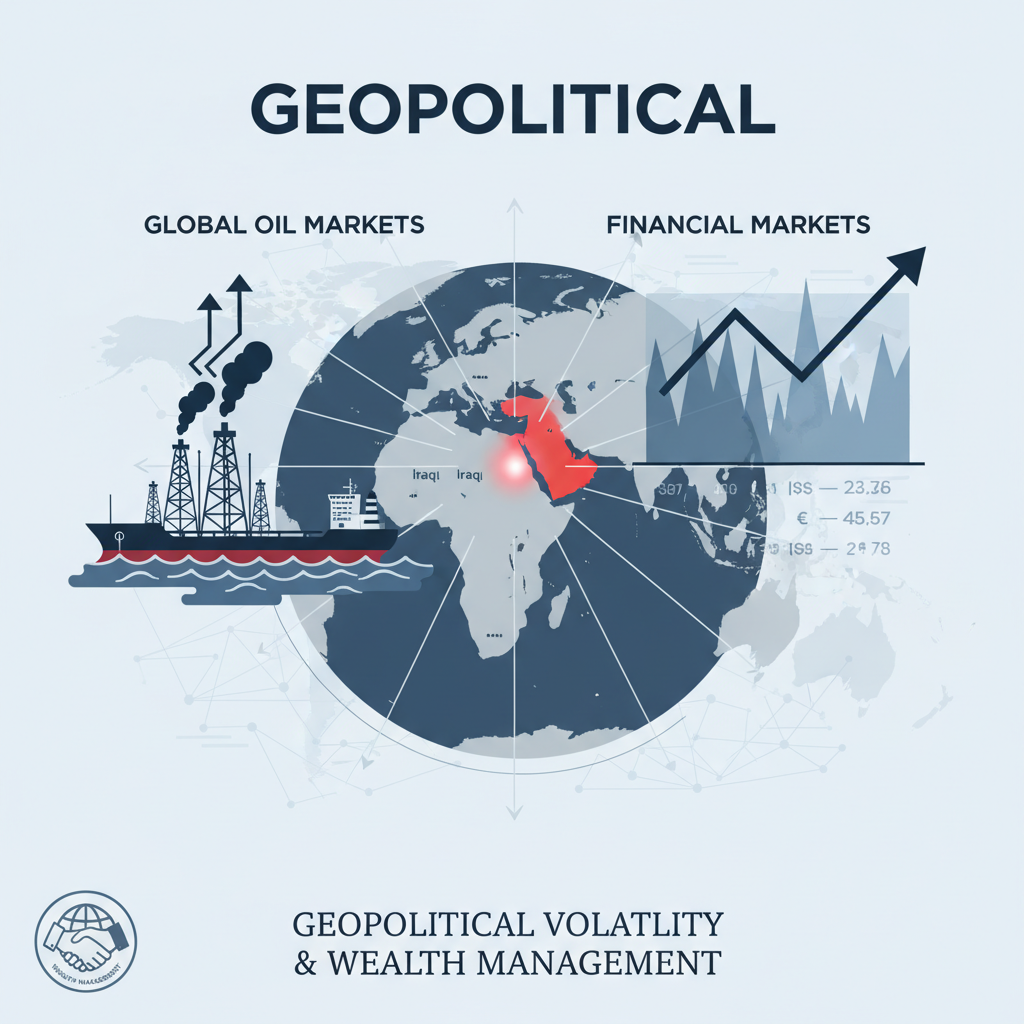
Oil is a global commodity shaped by geopolitics, supply expectations, and investor sentiment—not just what’s produced domestically. When major world events occur, such as the conflict between the United States and Iran that began on February 28, 2026, ripple effects quickly move through global markets. Understanding these dynamics can help you stay grounded and make informed decisions about your financial plan, retirement strategies, and future goals.
Geopolitical Conflict Drives Market Uncertainty
The recent conflict between the United States and Iran has injected a significant amount of uncertainty into global oil markets. Oil prices often respond to geopolitical tension long before any physical supply disruption occurs. This happens because investors and energy companies operate based on expectations—what they believe may happen next—not just on current supply levels.
When instability arises in key oil‑producing regions, markets react quickly. Even rumors of potential disruptions can be enough to push prices higher. At TBaer Wealth Management, we help clients understand how these global events may indirectly influence their retirement planning, investment allocations, or even their tax‑advantaged accounts such as 401k plans, IRAs, Roth IRAs, and Traditional IRAs.
The Importance of the Strait of Hormuz
A central component of the current volatility is concern around the Strait of Hormuz. This narrow waterway is one of the most important transit routes for global energy supplies. A significant share of the world’s oil must pass through this point before reaching global markets.
During periods of conflict or instability, transport through the Strait can be delayed or threatened. Even the possibility of reduced throughput can have a noticeable effect on prices. Markets often respond first, quickly, and sometimes dramatically. This is one reason why we see sharp price swings even before concrete disruptions occur.
Why Oil Markets React to Expectations
Oil markets are forward‑looking. Investors, producers, and consumers pay close attention to forecasts about supply and demand. When the market expects supply to tighten—whether due to geopolitical issues, shipping risks, or production cuts—prices often rise in anticipation. Conversely, if conditions appear likely to stabilize, prices may soften.
We saw this behavior early in the conflict, when prices rose sharply as markets braced for potential supply disruptions. Even without an immediate shortage, the expectation of tighter supply was enough to drive meaningful volatility. These types of market movements are normal, even if they feel unsettling in real time.
Oil Is a Global Commodity—No Market Operates in Isolation
Even though the United States produces a substantial amount of oil domestically, prices here remain tied to what happens around the world. Because oil is traded globally, disruptions in one region affect pricing everywhere. Local supply is only one piece of the puzzle; global stability and transportation routes play equally important roles.
For clients planning long‑term financial strategies—especially those preparing for retirement—understanding the global nature of energy markets helps frame why price movements can be so unpredictable. As a financial advisor serving Erie, PA and surrounding communities, we emphasize building portfolios that remain resilient even when markets adjust rapidly.
How Higher Oil Prices Influence Daily Life
Most people associate higher oil prices with increased gasoline costs. While that’s often the first and most visible impact, oil affects far more areas of the economy. Its role in manufacturing, transportation, agriculture, shipping, and utilities means rising oil prices can affect many aspects of everyday life.
Common areas influenced by oil price volatility include:
- Airfare and general travel expenses
- Shipping and delivery costs
- Grocery pricing and food production expenses
- Plastics, packaging, and manufacturing inputs
- Clothing produced with synthetic fabrics
- Home heating and energy bills
- Construction and industrial materials
As costs rise for businesses, at least part of those expenses typically get passed on to consumers. This is one reason oil prices are monitored so closely by economists and why they play such an important role in overall inflation trends.
Oil Prices, Inflation, and Economic Growth
Persistently higher oil prices can contribute to higher inflation, which can, in turn, influence interest rates, economic growth, and household budgets. Because energy is foundational to nearly every sector, elevated costs tend to influence the broader economy over time.
For individuals nearing retirement—or those working to grow their investment portfolios—understanding how inflation interacts with long‑term planning is crucial. Our team at TBaer Wealth Management helps clients navigate how these broader trends may affect their retirement income projections, safer money solutions, and overall wealth management strategies.
Why Long‑Term Planning Matters During Volatile Times
Periods of uncertainty often lead to emotional decision‑making. But history shows that markets—energy markets included—have weathered many periods of volatility. While headlines may feel unsettling, staying focused on long‑term goals is essential.
At TBaer Wealth Management, our financial planning approach emphasizes:
- Goal identification and clarity
- Customized plan design
- Disciplined implementation
- Ongoing monitoring and adjustments
This personalized four‑stage process helps individuals and families maintain financial confidence, even when global conditions feel unpredictable. Whether evaluating retirement planning options in Erie, PA, reviewing investment planning strategies, or assessing the role of life insurance and estate planning tools, staying anchored in a structured plan helps reduce uncertainty.
FAQ
Why do oil prices respond so quickly to geopolitical events?
Because oil is a globally traded commodity, markets react immediately to potential supply risks. Even the expectation of disruption can be enough to push prices higher.
Do higher oil prices always lead to higher inflation?
Not always, but sustained elevated energy costs often contribute to broader inflation because energy is a foundational input across many sectors.
How does oil volatility affect my IRA or 401k?
Indirectly. Market volatility can influence broader investment performance, so having diversified strategies across accounts like 401k plans, IRAs, Roth IRAs, and Traditional IRAs helps manage risk.
Should I change my investment plan during oil price spikes?
In most cases, reacting to short‑term volatility isn’t advisable. Focus on long‑term objectives and consult with your financial advisor before making changes.
How can TBaer Wealth Management help during uncertain markets?
We provide structured wealth planning and investment guidance tailored to your long‑term goals, helping you navigate volatility with clarity and confidence.
As always, if you’d like to discuss how current market conditions may impact your financial plan or investment strategy, we’re here to help.